
MEASURE FIRST. BUY ONCE.
A calmer entry starts with the right fit.
Practical, measurement-led guidance for choosing shoe storage that fits your space, your footwear, and the way your household actually comes through the door.
Exact measurements
Fit before footprint
Decision tools
Tables and worksheets
Evidence checked
Claims linked to sources
LATEST GUIDES
Start with a guide that prevents a bad fit.
-
How to Stop an Entryway Shoe Rack From Sliding
Separate sideways sliding from rocking or tipping, record rack and floor facts, and use only an exact permitted correction.
-
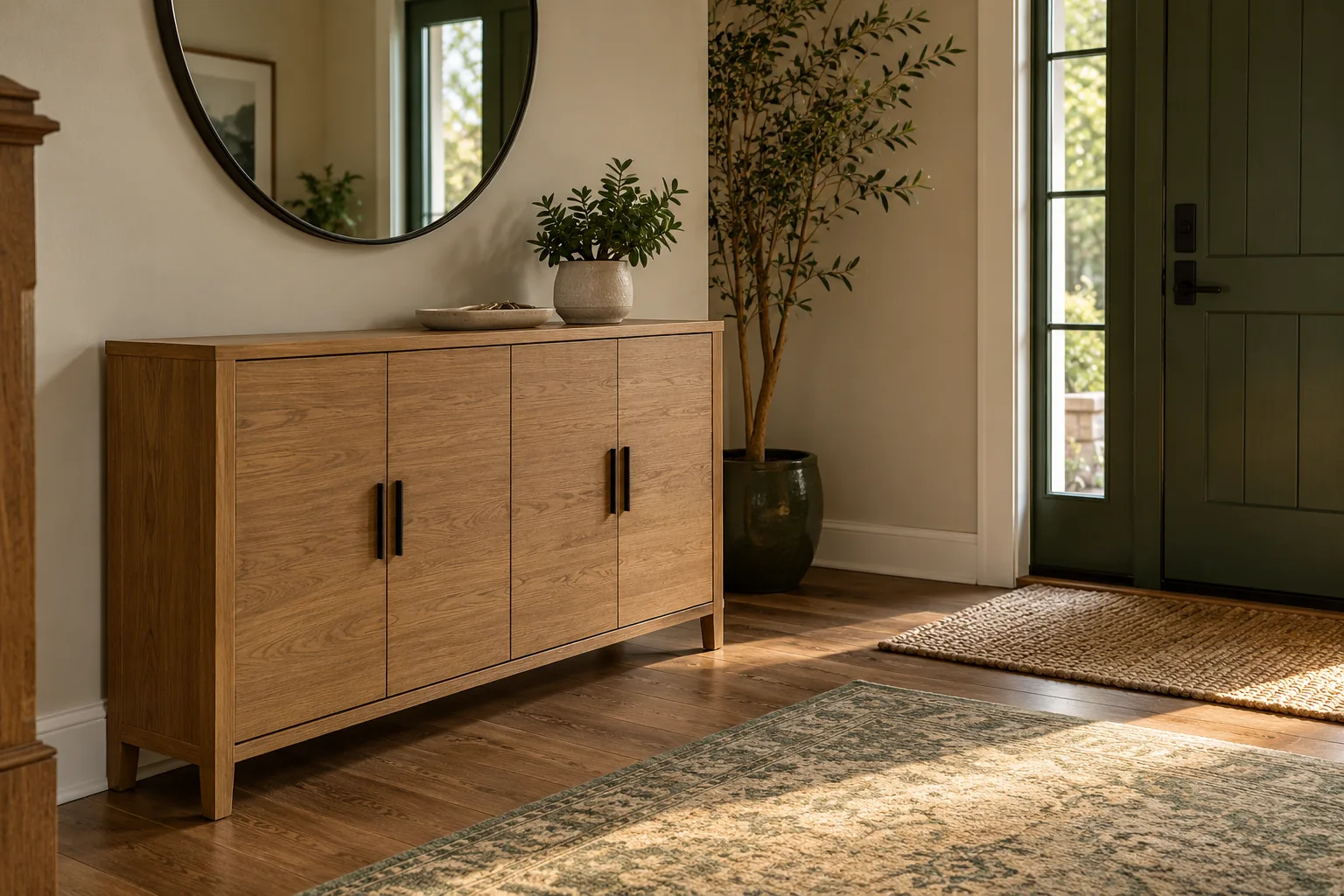
Entryway Shoe Cabinet Dimensions: Sizing, Shelf Spacing, and Fit Guide
Calculate exact shoe cabinet dimensions before buying. Learn standard widths, heights, and depths, deduct for usable shelf space, and size shelf spacing by shoe…
-
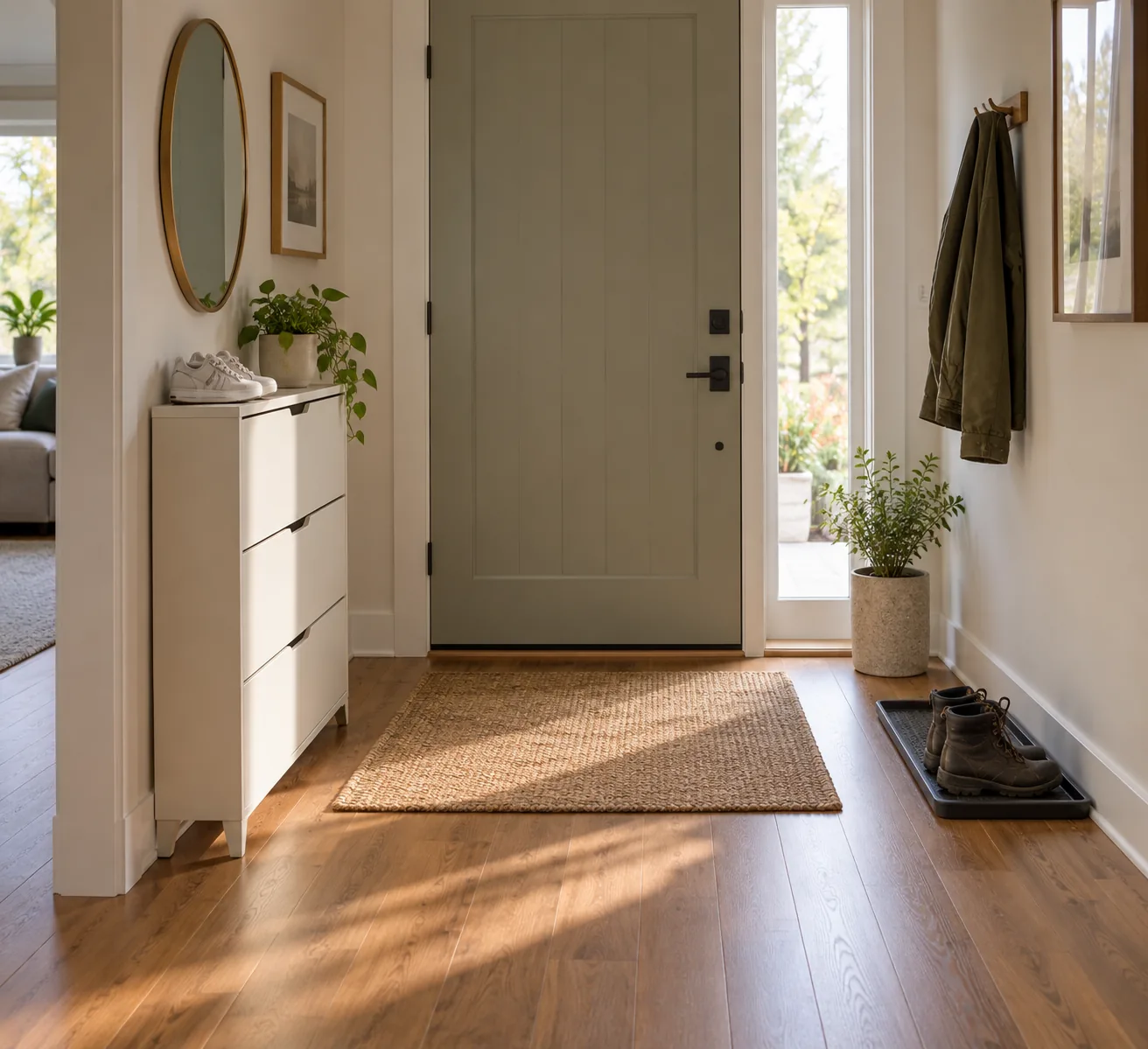
Entryway Shoe Storage for No-Closet Homes: A Front-Door Layout System
Measure door clearance zones, match your entryway to one of four no-closet layouts, and set up a two-zone staging system to keep shoes organized…
-
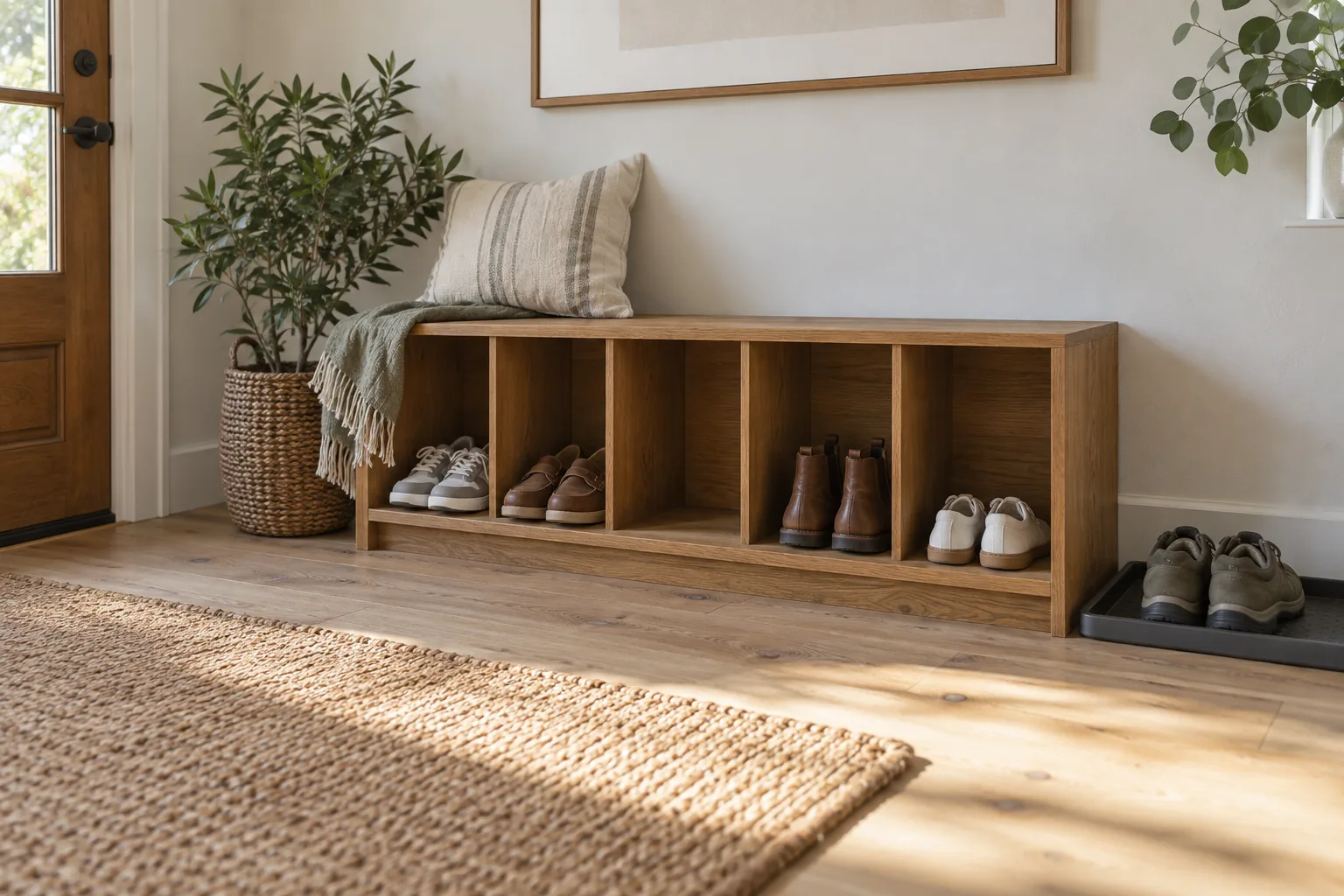
Entryway Shoe Storage for Families: A Daily Slot System
Audit the shoes your household actually uses, assign verified daily slots by person, and use clear overflow and reset rules when the setup stops…
START WITH THE DECISION
Solve the entryway, not the keyword.
Good storage starts with one question: what must fit, and what cannot move? Our guides organize the answer into three practical stages.
01
Start
Build one fit, flow, and footwear plan before choosing a rack, cabinet, bench, tray, or mixed system.
02
Measure
Check depth, capacity, clearance, doors, trim, and representative footwear before comparing products.
03
Compare
Compare storage types by access, fit, moisture flow, installation requirements, and upkeep.
OUR STANDARD
Evidence before recommendation.
Exact models, useful measurements, practical implications, visible limitations. No invented hands-on experience and no product list built only around commission.